Evaluating the Indigo Rose Floral Element for Creative Projects
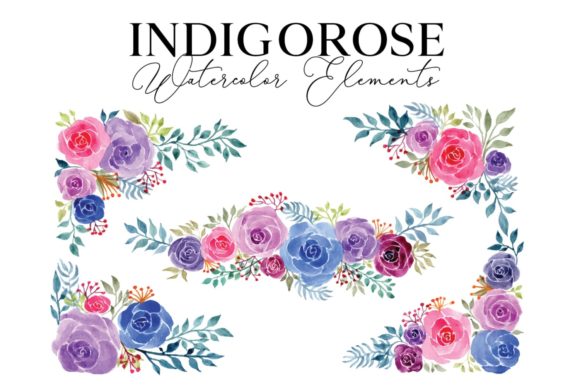
Selecting the right visual assets is a critical step in any design or craft workflow. The Indigo Rose Floral Element represents a specific category of digital art that blends traditional watercolor aesthetics with modern vector versatility. For designers, crafters, and hobbyists evaluating this asset, understanding its technical specifications, aesthetic applications, and practical limitations is essential before integration into a project. This evaluation focuses on how this watercolor design functions in real-world scenarios, helping you determine if it aligns with your current creative objectives.
Defining the Asset and Technical Composition
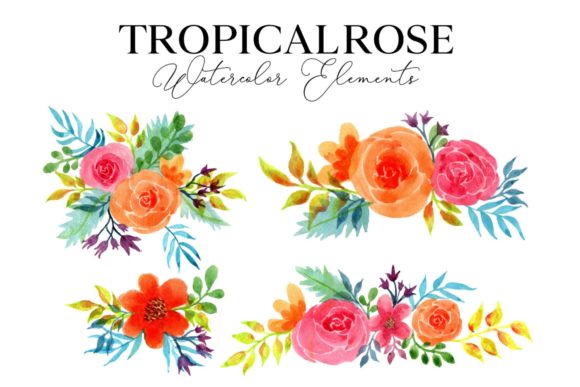
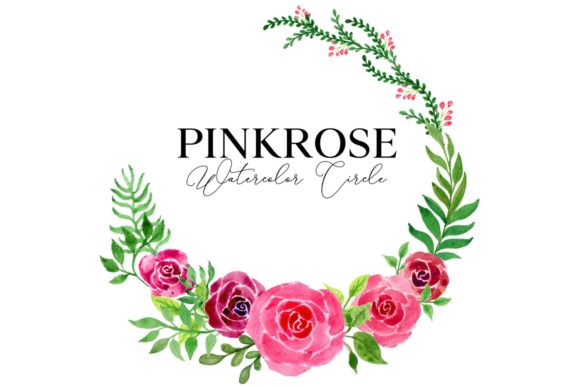
The Indigo Rose Floral Element is primarily defined by its hand-painted watercolor style rendered in deep indigo and rose tones. Unlike standard flat vector graphics, this design retains the organic texture, bleeding edges, and opacity variations characteristic of traditional brushwork. However, its utility lies in its file format. The inclusion of an EPS (Encapsulated PostScript) file means that while the aesthetic is painterly, the underlying structure is scalable vector graphics.
This distinction is vital for evaluation. A rasterized watercolor image will pixelate when resized, limiting its use to specific dimensions. The EPS format within the Indigo Rose Floral Element allows for infinite scaling without loss of fidelity. This makes it suitable for both small-scale applications, such as business cards or jar labels, and large-format projects like wedding signage or textile printing. When assessing this asset, verify that your software supports EPS files and can handle complex vector paths that simulate watercolor textures, as these files can sometimes be more resource-intensive than simple geometric vectors.
Aesthetic Versatility and Application Scenarios
The primary reason creators select this specific floral element is its color palette and mood. Indigo and rose create a sophisticated contrast that avoids the overly bright or pastel associations often found in generic floral clip art. This makes the design particularly strong for projects requiring a sense of elegance, maturity, or vintage charm.
Evaluators should consider the following high-fit scenarios:
- Wedding and Event Stationery: The colorway bridges the gap between romantic and formal, making it appropriate for invitations, place cards, and menus.
- Branding and Packaging: For boutique brands, tea companies, or skincare lines, the organic watercolor texture suggests natural ingredients and artisanal quality.
- Mixed Media Crafts: Because the design includes negative space and varying opacity, it layers effectively over textured papers or colored backgrounds without looking like a digital sticker.
- Typography Integration: As noted in product descriptions, this design pairs well with quotes. The floral arrangement typically acts as a frame or accent, leaving adequate copy space for text without competing for visual attention.
Benefits and Practical Advantages
Beyond aesthetics, the Indigo Rose Floral Element offers functional benefits that streamline production. The vector nature of the EPS file allows for color manipulation. While the default indigo and rose scheme is the selling point, users can adjust hue and saturation values within Adobe Illustrator or CorelDRAW to match specific brand guidelines or seasonal themes. This flexibility extends the asset's lifespan beyond a single project.
Additionally, watercolor elements in EPS format solve a common compositing challenge. Raster watercolors often have white backgrounds that require tedious masking or blending mode adjustments to remove. Vector-based watercolor simulations typically utilize transparency natively, allowing for cleaner layering and faster workflow integration. For professionals billing by the hour or hobbyists with limited time, this efficiency is a significant value proposition.
Tradeoffs and Limitations to Consider
An objective evaluation must also address where this asset may fall short. The stylized nature of vector watercolor means it lacks the true randomness of physical paint. Upon close inspection, some users may find the edges too clean or the gradients too uniform compared to scanned original artwork. If your project demands hyper-realistic traditional media textures, a high-resolution PNG scan might be superior to this vector interpretation.
Color editing presents another consideration. While recoloring is possible, shifting watercolor-style vectors from cool tones (indigo) to warm tones (e.g., orange or yellow) can sometimes result in muddiness or unnatural gradient transitions. The asset performs best when staying within analogous or complementary color families rather than undergoing drastic hue shifts.
Furthermore, the specific "Happy design" descriptor suggests a cheerful, open composition. This may not suit somber, minimalist, or highly corporate contexts. Evaluators must ensure the emotional tone of the floral element matches the project's intent; a playful watercolor rose could undermine a serious legal document or austere luxury branding.
Comparing Alternatives and Decision Criteria
When deciding whether to utilize the Indigo Rose Floral Element, compare it against three common alternatives:
- Stock Photo Watercolors: Choose photos if you need authentic paper grain and pigment variation. Choose the Indigo Rose EPS if you need scalability and easy background removal.
- AI-Generated Florals: AI tools can generate unique watercolors instantly but often struggle with consistent style across multiple assets and cannot be edited as vectors. Choose this EPS asset if you require precise editability and commercial safety.
- Flat Vector Florals: Flat vectors offer maximum clarity and smallest file sizes but lack artistic warmth. Choose the Indigo Rose element if texture and emotion are prioritized over absolute minimalism.
Determining Alignment with Project Goals
Ultimately, the decision to incorporate the Indigo Rose Floral Element should be based on a balance of technical requirements and aesthetic goals. It is a strong candidate if your project requires a scalable, editable floral accent with a specific sophisticated color story. It serves as an excellent foundation for quote-based designs where the illustration supports rather than overwhelms the typography.
However, if your workflow relies exclusively on raster-based programs like Procreate or Photoshop without vector capabilities, you may only utilize a fraction of this asset's potential. Similarly, if your design direction calls for photographic realism or stark modernism, alternative assets may yield better results. By weighing the scalability and editability of the EPS format against the stylistic nuances of the watercolor rendering, creators can make an informed choice that enhances both the beauty and functionality of their final output.