Enhancing Creative Projects with the Floral Pinkrose Circle Element
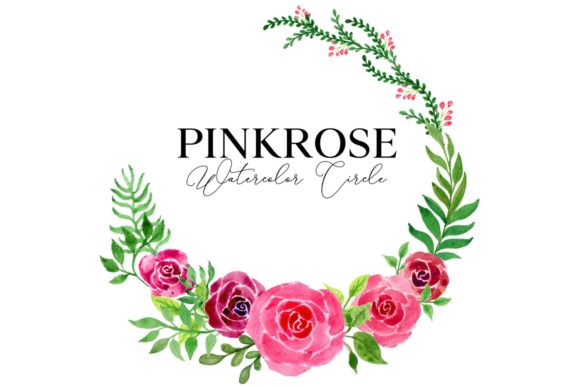
In the expansive world of digital design and physical crafting, the search for assets that balance aesthetic elegance with technical versatility is a constant pursuit. Among the myriad of botanical illustrations available to creators, the Floral Pinkrose Circle Element stands out as a distinctively versatile asset. This beautiful watercolor design captures the softness and organic nature of hand-painted art while providing the structured utility required for modern layout composition. Whether utilized by professional graphic designers, educators creating classroom materials, or hobbyists embarking on personal scrapbooking endeavors, this specific element offers a unique intersection of artistic charm and functional adaptability.
The Technical Advantage of EPS Watercolor Assets
While the visual appeal of a pink rose arrangement is immediately apparent, the true value for professionals and serious hobbyists lies in the file format. The inclusion of an EPS Happy design file is a critical specification that elevates this asset beyond standard raster imagery. Encapsulated PostScript (EPS) files are vector-based or hybrid formats that maintain integrity regardless of scaling. For a business owner printing large-format signage or a crafter designing miniature jewelry tags, resolution independence is non-negotiable.
Watercolor designs often suffer when converted strictly to vectors because the texture and pigment bleed are lost. However, high-quality EPS assets like the Floral Pinkrose Circle Element typically utilize a hybrid approach. They preserve the authentic watercolor washes and paper grain within a scalable container. This allows users to resize the circular frame from a two-inch sticker to a twenty-inch poster without encountering pixelation or jagged edges. Furthermore, EPS compatibility ensures seamless integration into industry-standard software such as Adobe Illustrator, CorelDRAW, and Affinity Designer, making it a reliable component in professional workflows.
Elevating Typography Through Botanical Framing
A beautiful design and good quotes will make your project more beautiful, but the relationship between text and illustration requires careful consideration. The circular geometry of this floral element serves as a natural container for typography. Unlike rectangular borders which can feel rigid or corporate, a floral circle introduces a sense of organic flow and softness. This makes it exceptionally suitable for sentimental or celebratory content.
When integrating quotes or messages within the Floral Pinkrose Circle Element, designers should consider the following typographic pairings:
- Script and Calligraphy: The fluid strokes of hand-lettering mimic the brushwork of the watercolor roses, creating visual harmony.
- Serif Typefaces: Traditional serifs provide a classic, literary contrast to the organic flowers, ideal for formal invitations or certificates.
- Minimalist Sans-Serif: Clean, modern lines allow the intricate details of the pink roses to remain the focal point without visual competition.
The negative space within the circle is just as important as the floral border itself. Effective use of this central void ensures readability. Designers must resist the urge to fill every inch; allowing the white space to breathe enhances the legibility of the quote and highlights the delicate shading of the pinkrose artwork.
Color Theory and Emotional Resonance
The specific hue of the Floral Pinkrose Circle Element carries psychological weight. Pink, particularly in watercolor form, is rarely aggressive. It communicates empathy, nurturing, celebration, and gentle sophistication. This color psychology dictates appropriate use cases. For wedding stationery, it suggests romance and new beginnings. In educational settings, it creates a welcoming, non-threatening atmosphere for young learners. For wellness brands, it aligns with themes of self-care and softness.
However, the versatility of the EPS format allows for color manipulation. While the default pink is evocative, professionals can adjust saturation or shift hues to match specific brand guidelines. A desaturated version might suit a vintage-themed project, while increasing vibrancy could make the element pop against dark backgrounds for contemporary social media graphics. Understanding this malleability transforms the asset from a static picture into a dynamic design tool.
Practical Applications Across Diverse Industries
The utility of this design extends far beyond digital screens. Its application in physical crafts demonstrates the tangible value of owning high-resolution source files. Below are several real-world scenarios where this element proves indispensable.
Event Stationery and Paper Crafts
For wedding planners and DIY brides, consistency across paper goods is paramount. The Floral Pinkrose Circle Element can serve as a unifying motif across save-the-dates, invitation suites, place cards, and thank-you notes. Because it is a circle, it adapts easily to wax seals, envelope liners, and belly bands. Crafters using cutting machines like Cricut or Silhouette can utilize the EPS file to create precise cutouts for layered cardstock projects, adding dimensional depth to flat paper designs.
Educational and Organizational Resources
Educators and researchers often need to soften the presentation of academic or instructional material. A circular floral border can frame learning objectives, highlight key vocabulary, or designate sections in a worksheet without distracting from the content. For homeschool curriculum creators, this element adds a touch of warmth to lesson plans. Similarly, organizational labels for pantries, classrooms, or retail shelves benefit from the decorative yet clear boundary provided by the floral circle, making categorization both functional and aesthetically pleasing.
Merchandise and Product Packaging
Small business owners frequently seek packaging solutions that convey handmade quality without requiring custom printing for every SKU. The Floral Pinkrose Circle Element can be printed onto generic kraft tags, stickers, or tissue paper stamps. This allows for branded unboxing experiences at a lower cost. The circular shape fits perfectly on jar lids, candle bottoms, and cosmetic containers. By leveraging the EPS file, businesses can ensure their branding remains crisp whether applied to a tiny lip balm label or a large shipping box.
Workflow Integration and Best Practices
To maximize the potential of the Floral Pinkrose Circle Element, users should adopt specific workflow strategies. Simply dragging and dropping the image is often insufficient for professional results. Consider these implementation tips:
- Layer Management: Always keep the floral element on a separate layer above background colors but below primary text if the text needs to interact with the petals. This allows for easy adjustments to opacity or blending modes.
- Texture Overlay: If the EPS feels too clean compared to other elements in a mixed-media project, apply a subtle paper texture overlay to the floral layer to unify the aesthetic.
- Modular Usage: Do not feel restricted to using the full circle. Crop or mask sections of the Floral Pinkrose Circle Element to create corner accents, dividers, or bottom-heavy arrangements. The EPS format supports clipping masks, enabling infinite variations from a single source file.
- Print Preparation: When preparing for physical output, always convert RGB colors to CMYK if the EPS was supplied in RGB. Watercolor pinks can sometimes shift during conversion; proofing is essential to maintain the intended softness of the design.
Selecting Complementary Assets
While the Floral Pinkrose Circle Element is robust on its own, it often functions best as part of a larger ecosystem. When building a cohesive collection, look for supporting assets that share similar watercolor textures and brushstroke styles. Mixing sharp vector clipart with soft watercolor florals can create visual dissonance. Instead, seek out matching leaf sprigs, standalone buds, or watercolor wash backgrounds that echo the pigment density of the pink roses.
Additionally, consider the weight of the lines. If the pinkrose circle features bold, saturated blooms, pair it with lighter, airier secondary elements to prevent the design from feeling heavy. Conversely, if the roses are pale and ethereal, grounding them with darker foliage or stronger typographic choices provides necessary contrast. This attention to visual balance distinguishes amateur compositions from professional-grade design work.
The Enduring Appeal of Botanical Circles
Trends in graphic design cycle rapidly, yet botanical circles remain a staple due to their inherent structural logic. The circle represents unity, wholeness, and continuity—concepts that resonate universally across cultures and contexts. When rendered in the timeless medium of watercolor, specifically through the lens of the Floral Pinkrose Circle Element, the shape transcends trendiness to become a classic design vocabulary.
For creators, investing time in mastering this specific type of asset yields compounding returns. The skills developed in manipulating EPS watercolor files, balancing typography within organic shapes, and adapting digital art for physical media are transferable across countless future projects. Whether the goal is to sell digital downloads, enhance client deliverables, or simply bring joy to a personal journal, this beautiful watercolor design provides a foundation of quality and elegance. By understanding both its artistic nuances and technical specifications, users unlock the full spectrum of possibilities embedded within this singular, multifaceted design element.