Strategic Application of Recurring Floral Pattern in Modern Design Assets
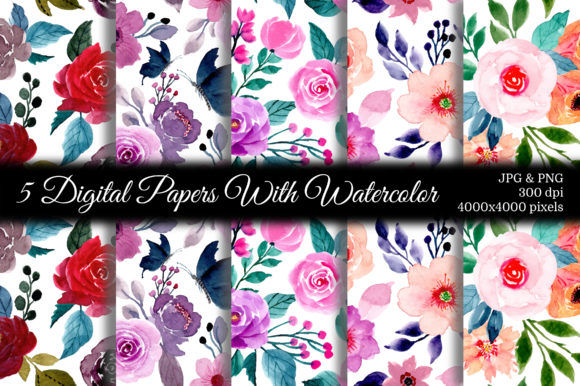
The Recurring Floral Pattern is frequently dismissed as purely decorative, yet for entrepreneurs, marketers, and creative professionals, it represents a sophisticated tool for visual communication and brand positioning. When applied to wall hangings and fabric textiles against abstract backgrounds, this design element transcends mere aesthetics to become a strategic asset. It offers a unique intersection of organic familiarity and modern structure, allowing businesses and creators to signal specific values without relying on overt messaging. Understanding the utility of recurring floral patterns requires shifting perspective from ornamentation to function, viewing these motifs as vehicles for consistency, cognitive ease, and distinct market differentiation.
Defining Strategic Utility Beyond Aesthetics
In professional contexts, a Recurring Floral Pattern serves as a visual anchor. Unlike singular illustrative florals that demand focal attention, a recurring pattern creates a field of texture that supports rather than competes with primary content. This distinction is critical for decision-makers selecting assets for workspaces, retail environments, or digital branding. The repetition establishes rhythm and predictability, which psychological research suggests can reduce cognitive load. For a freelancer designing a portfolio backdrop or a small business owner curating a boutique atmosphere, this reduction in visual noise allows the audience to focus on products, services, or intellectual property while still experiencing an enriched environment.
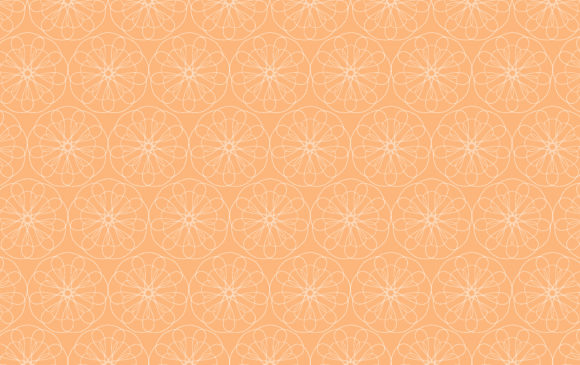
The integration of abstract backgrounds further enhances this utility. Traditional floral designs often carry historical baggage or specific cultural connotations that may not align with a forward-thinking brand. By placing botanical motifs within geometric, gradient, or textural abstract fields, designers neutralize nostalgia and create a contemporary hybrid. This approach makes the Recurring Floral Pattern viable for tech startups, financial consultancies, and educational platforms where traditional florals might seem incongruous. The abstraction acts as a bridge, retaining the biophilic benefits of nature-inspired design while maintaining the clean, uncluttered aesthetic required for modern professional communication.
Enhancing Brand Positioning and Customer Experience
For marketers and brand strategists, the choice of surface pattern is a tangible expression of brand identity. A Recurring Floral Pattern on fabric hangings or acoustic wall panels communicates attention to detail and a commitment to sensory experience. In service-based industries, where trust and comfort are paramount, these patterns can soften sterile corporate environments without sacrificing professionalism. The key lies in intentionality; the pattern must align with the brand’s core narrative. A wellness coach might select flowing, organic repeats to emphasize adaptability, while an architect might choose rigid, grid-based floral iterations to highlight precision and structure.
- Visual Consistency: Using the same recurring motif across physical signage, merchandise, and digital assets creates a cohesive ecosystem that reinforces brand recall.
- Emotional Regulation: Biophilic design elements have been shown to lower stress levels in high-pressure environments, directly impacting employee productivity and customer dwell time.
- Differentiation: In saturated markets, custom-developed recurring floral patterns provide proprietary visual IP that competitors cannot legally replicate, unlike stock photography.
- Spatial Definition: Fabric hangings with bold recurring patterns can zone open-plan offices or retail spaces without the need for permanent construction, offering operational flexibility.
Customer experience is increasingly multisensory. When clients enter a space adorned with thoughtfully designed wall hangings, they receive non-verbal cues about the organization's values. A chaotic, poorly scaled pattern suggests disorganization, whereas a balanced Recurring Floral Pattern implies stability and foresight. For educators and workshop facilitators, these environmental cues can set the tone for learning, creating a container that feels both stimulating and safe. The strategic value here is not in the flower itself, but in the signal it sends regarding the host's competence and care.
Operational Considerations for Fabric and Wall Applications
Implementing recurring floral patterns in physical media requires practical planning. Entrepreneurs and operations managers must consider the lifecycle of these assets. Fabric hangings offer versatility and acoustic dampening but require maintenance protocols to remain effective. Wall applications, whether printed directly or mounted as textiles, demand higher upfront investment but offer longevity. The decision between these mediums should be driven by usage frequency, budget, and the desired permanence of the design intervention.
Scale and resolution are frequent failure points in execution. A Recurring Floral Pattern that looks elegant on a screen may become overwhelming or pixelated when expanded to cover a ten-foot wall. Professionals must verify repeat sizes relative to viewing distance. Large-scale repeats work best for distant viewing or immersive environments, while tighter, denser repeats function better for close-range interactions like upholstery or desk dividers. Furthermore, the interaction between the floral motif and the abstract background must be tested under actual lighting conditions. Shadows cast by textured fabrics or glare on wall surfaces can distort the intended visual hierarchy, undermining the strategic goal of clarity.
- Audit the spatial dimensions and lighting conditions of the intended application area before selecting a pattern scale.
- Request physical swatches or print proofs to evaluate color accuracy and texture interaction in situ.
- Assess maintenance requirements, including cleaning methods and UV resistance, to ensure long-term viability.
- Verify licensing terms if using existing designs, ensuring commercial rights cover all intended touchpoints.
- Pilot the design in a low-stakes area to gauge user response before committing to full-scale installation.
Risks of Unintentional Design Implementation
Despite its potential, the Recurring Floral Pattern carries risks when deployed without strategic grounding. The most common pitfall is visual fatigue. High-contrast, complex repeats can overstimulate occupants, leading to distraction rather than focus. This is particularly dangerous in educational settings or workspaces requiring deep concentration. Another risk is semantic mismatch; using a romantic, Victorian-style floral repeat in a cybersecurity firm creates cognitive dissonance that erodes trust. The pattern fights the message, wasting resources and confusing the audience.
There is also the risk of trend dependency. Floral patterns cycle through fashion and interior design rapidly. Basing a long-term brand asset or expensive renovation on a trending iteration of the Recurring Floral Pattern can date a space prematurely. Strategic practitioners mitigate this by focusing on timeless structural qualities—balance, proportion, and color theory—rather than stylistic fads. They treat the pattern as infrastructure, not decoration. Additionally, over-reliance on pattern can mask poor spatial planning. No amount of beautiful fabric can compensate for bad acoustics, poor flow, or inadequate lighting. The pattern must enhance a functional foundation, not serve as a bandage for operational deficiencies.
Making Intentional Decisions for Long-Term Value
To leverage recurring floral patterns effectively, decision-makers should adopt a framework of intentional selection. Begin by defining the desired outcome: Is the goal to energize, calm, impress, or organize? Only after clarifying the objective should visual exploration begin. This reverses the typical process of choosing what looks "nice" and hoping it works. For bloggers and publishers, this means selecting header backgrounds or merchandise designs that reinforce content themes rather than merely filling space. For retailers, it means aligning textile choices with seasonal inventory cycles or permanent brand pillars.
Collaboration between stakeholders is essential. Marketers understand the message, but designers understand the medium. Bridging this gap ensures the Recurring Floral Pattern performs technically and strategically. Documenting the rationale behind pattern selections creates institutional knowledge, preventing future teams from making arbitrary changes that dilute brand equity. Ultimately, the value of these design elements lies in their ability to make abstract concepts tangible. When a recurring floral pattern on an abstract background successfully embodies a brand’s synthesis of tradition and innovation, it ceases to be mere decoration and becomes a competitive advantage.
Evaluating success requires metrics beyond aesthetics. Track engagement in patterned versus non-patterned zones, survey user sentiment regarding environmental comfort, and assess brand recognition in photographic contexts. These data points validate the investment and guide future iterations. By treating the Recurring Floral Pattern as a measurable business asset, professionals transform subjective taste into objective strategy. This disciplined approach separates amateur decoration from expert environmental design, ensuring that every yard of fabric and every square foot of wall covering contributes meaningfully to organizational goals.