Detailed Floral Mandala: Evaluating Vector Assets for Design Projects
Selecting the right graphical asset is a critical step in professional design workflows. When evaluating a Detailed Floral Mandala for commercial or personal projects, the decision extends beyond simple aesthetic preference. It requires an assessment of technical specifications, file versatility, and practical application. A high-quality mandala asset typically serves as a foundational element in branding, packaging, textile design, and digital media. Understanding the specific attributes of this resource, including its inclusion of AI, EPS, and JPG formats, allows designers and project managers to determine if it aligns with their production requirements and long-term creative goals.
Defining the Asset and Technical Composition
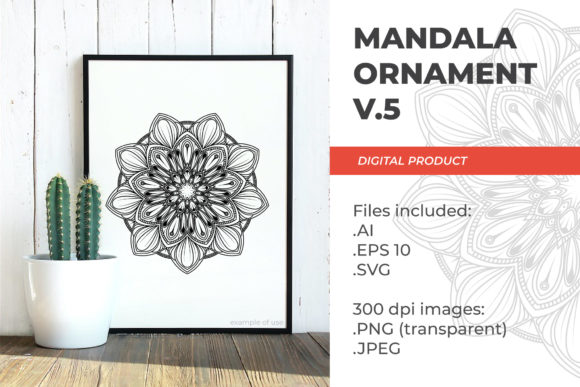
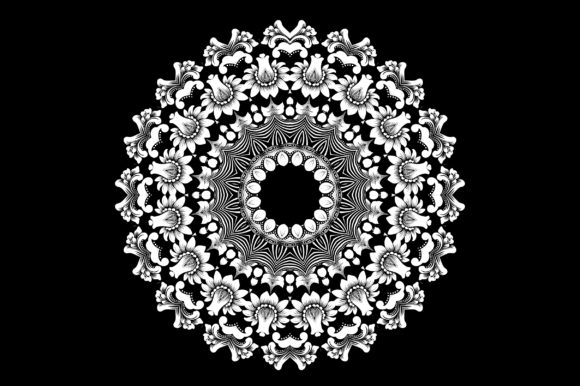
A Detailed Floral Mandala is a complex, radially symmetrical illustration composed of intricate botanical elements. Unlike simple geometric patterns, floral mandalas integrate organic shapes, varying line weights, and negative space to create depth and visual interest. The value of this specific asset lies in its multi-format delivery system, which addresses different stages of the design pipeline.
The inclusion of an AI file format provides access to the native Adobe Illustrator source. This is essential for users who require granular control over individual anchor points, layers, and color swatches. The AI file preserves the original construction logic, allowing for non-destructive editing and customization. For cross-platform compatibility, the EPS file format serves as a universal vector standard. EPS files ensure that the mandala can be opened in alternative software such as CorelDRAW, Affinity Designer, or Inkscape without losing scalability or mathematical precision. Finally, the JPG file format offers a rasterized preview or ready-to-use image for quick mockups, client presentations, or web-based applications where vector rendering is unnecessary.
Evaluating Suitability for Professional Workflows
Professionals researching this asset are often looking for more than just a pretty picture; they are seeking efficiency and reliability. A Detailed Floral Mandala is particularly relevant for industries that rely on ornate decoration and traditional aesthetics. Key sectors include wedding stationery, luxury packaging, bohemian fashion textiles, and wellness branding. In these contexts, the complexity of the design conveys craftsmanship and attention to detail that simpler graphics cannot achieve.
The primary benefit of acquiring this bundled asset is workflow acceleration. Creating a balanced, detailed floral mandala from scratch requires significant time and advanced illustration skills. By utilizing a pre-made vector asset, designers can bypass the initial drafting phase and focus on integration and customization. The availability of editable vectors means the design is not static; colors can be adjusted to match brand guidelines, elements can be isolated for use as borders or corners, and the overall scale can be modified infinitely without pixelation. This flexibility is crucial for print production, where resolution requirements vary significantly between business cards and large-format banners.
Tradeoffs and Practical Considerations
While the benefits are substantial, there are tradeoffs to consider when integrating a pre-existing Detailed Floral Mandala into a project. One significant consideration is exclusivity. Because this is a downloadable asset, other designers may have access to the same base artwork. If brand differentiation is paramount, the user must invest time in modifying the asset significantly rather than using it in its default state. Relying solely on the JPG version limits creative potential and should generally be avoided for final print deliverables.
Technical proficiency is another factor. While the JPG is accessible to anyone, maximizing the value of the AI and EPS files requires familiarity with vector editing software. Users without access to Adobe Illustrator or similar tools may find themselves unable to utilize the most valuable components of the download. Additionally, detailed mandalas contain thousands of anchor points. On older hardware or less optimized software, these complex vectors can cause performance lag. Designers working with limited computational resources should test the file’s responsiveness before committing to it for time-sensitive projects.
Licensing is perhaps the most critical evaluation metric. Before downloading, users must verify whether the license permits commercial use, modification, and redistribution. Some licenses restrict the use of standalone mandalas on merchandise, requiring the design to be part of a larger composite work. Understanding these legal boundaries prevents future complications and ensures the asset supports business objectives safely.
When Alternatives May Be Preferable
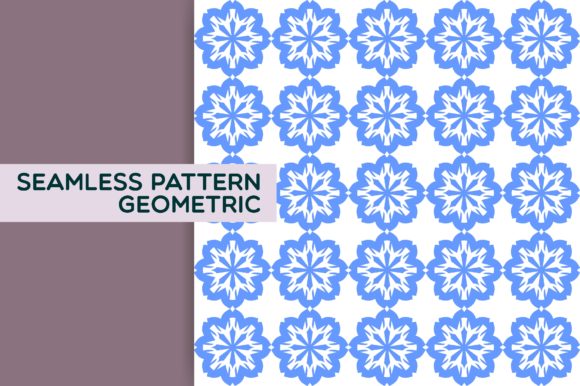
A Detailed Floral Mandala is not the optimal solution for every design challenge. There are specific scenarios where alternative assets or approaches yield better results. If a project demands a minimalist, modern, or corporate aesthetic, the ornate nature of a floral mandala may clash with the intended visual language. In such cases, geometric line art or abstract organic shapes might provide a more appropriate balance.
Furthermore, if the end-use is strictly digital at fixed dimensions, such as social media avatars or website icons, the overhead of managing complex vector files may be unnecessary. A high-resolution PNG with transparency or a specialized SVG optimized for web performance might be more efficient than a full AI/EPS bundle. For projects requiring hyper-specific cultural accuracy or bespoke symbolism, a generic stock mandala may fall short. Commissioning a custom illustrator ensures cultural respect and unique ownership, albeit at a higher cost and longer timeline.
Users should also evaluate the level of detail required. Some "detailed" mandalas are overly dense, making them unsuitable for small-scale reproduction like embroidery or screen printing. If the production method has physical limitations regarding line thickness or ink spread, a simpler, bolder vector design will produce superior physical results compared to a highly intricate digital file.
Making an Informed Selection Decision
Determining whether this Detailed Floral Mandala download aligns with your goals requires a structured assessment. Begin by auditing your technical environment. Do you have the necessary software to open and edit AI and EPS files? If yes, the asset offers high utility. Next, review the intended application. Does the radial symmetry and floral motif support the narrative of the project? If the answer is affirmative, evaluate the licensing terms against your commercial intent.
Consider the balance between convenience and uniqueness. If speed is the priority and the design will be heavily modified or used as a background texture, this asset represents a strong return on investment. However, if the mandala is intended to be the central logo or primary brand identifier, proceed with caution regarding originality. In such instances, use the downloaded file as a structural reference or starting point rather than a final solution.
Ultimately, the value of this asset package lies in its versatility. The combination of AI, EPS, and JPG formats covers the spectrum from rapid prototyping to professional print production. By objectively weighing the technical capabilities against project constraints and creative needs, designers can make a pragmatic decision that enhances their workflow while maintaining high standards of quality and originality. The Detailed Floral Mandala serves as a powerful tool when applied with intention, technical understanding, and respect for both the medium and the message.