Floral Greeting Card Template Design 03 Guide
Creating the perfect stationery for a special occasion often feels like balancing artistic vision with practical constraints. Floral Greeting Card Template Design 03 bridges this gap by offering a sophisticated, pre-structured layout specifically conceptualized for print paper wedding invitations and formal greetings. Rather than starting from a blank canvas, this template provides a refined foundation that captures the elegance of botanical aesthetics while maintaining ample space for personalized messaging. It serves as a versatile tool for anyone looking to produce professional-grade stationery without the steep learning curve associated with original illustration or complex typesetting.
Understanding the Design Concept and Appeal
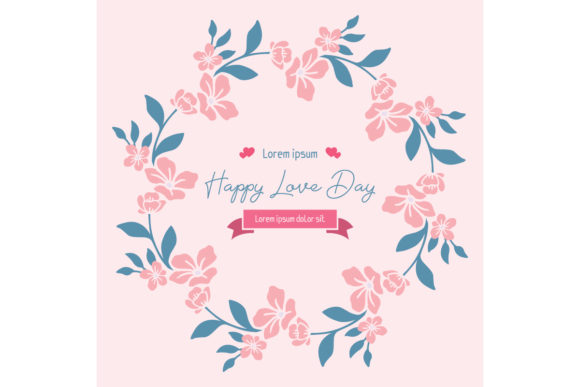
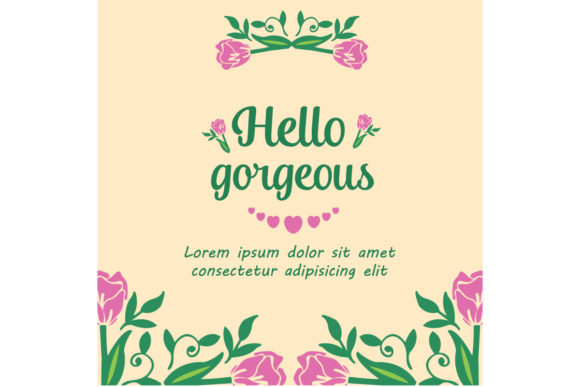
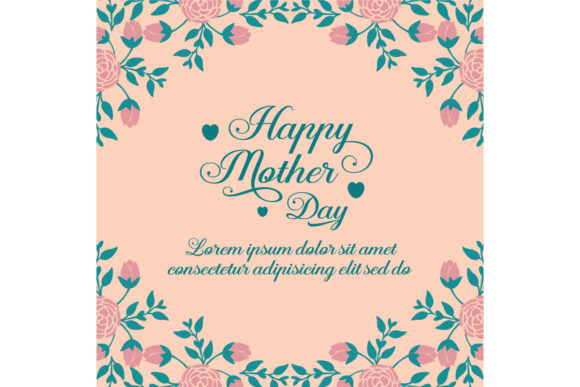
At its core, this template is more than just a digital file; it is a curated visual system designed for tactile media. The "conceptual for print" aspect means every element, from line weight to color separation, has been optimized for physical reproduction on paper stock. Unlike web-only graphics, Floral Greeting Card Template Design 03 accounts for ink absorption, bleed areas, and texture interaction. The floral motifs are arranged to frame content rather than overwhelm it, ensuring that essential details like dates, names, and venues remain legible and prominent.
The primary appeal lies in its adaptability. While rooted in wedding stationery traditions, the design avoids overly specific iconography, making it suitable for anniversaries, bridal showers, or even high-end corporate thank-you notes. For beginners and hobbyists, it removes the anxiety of composition. For professionals and small business owners, it acts as a time-saving asset that maintains brand consistency across multiple projects. The balance between decorative flourishes and negative space allows users to inject their own personality without needing advanced graphic design skills.
Navigating File Formats for Every Skill Level
One of the most significant advantages of this resource is the inclusion of four distinct file formats: AI, EPS, JPG, and PNG. Understanding when and how to use each format is crucial for achieving the best results, regardless of your technical proficiency.
- AI (Adobe Illustrator): This is the master source file intended for professional designers or those comfortable with vector software. It allows for infinite scalability without quality loss, precise color matching (including Pantone or CMYK adjustments), and complete editing of individual paths. If you need to resize the invitation from a standard 5x7 card to a large poster or adjust specific petal colors to match a wedding theme exactly, the AI file is essential.
- EPS (Encapsulated PostScript): A universal vector format compatible with various design programs beyond Adobe’s ecosystem, such as CorelDRAW or Affinity Designer. It retains editability and scalability but offers broader interoperability. This is ideal for collaborators who may not use the same software stack or for sending files to commercial print shops that require industry-standard vectors.
- JPG (Joint Photographic Experts Group): A rasterized, flattened image perfect for quick previews, digital sharing, or home printing where vector editing isn't necessary. While it cannot be resized indefinitely without pixelation, it is universally viewable on any device. Use this format for emailing proofs to clients, uploading to social media for inspiration, or printing on standard office equipment.
- PNG (Portable Network Graphics): Similar to JPG but supporting transparency. This format is invaluable when you want to overlay the floral design onto a colored background or textured paper simulation digitally. It preserves crisp edges better than JPG for text-heavy designs and is preferred for web-based mockups or digital e-cards derived from the print template.
Practical Applications Beyond Traditional Weddings
While Floral Greeting Card Template Design 03 excels as a wedding invitation base, its utility extends into numerous creative and commercial contexts. Small business owners in the boutique, bakery, or florist industries can repurpose the design for product packaging inserts, seasonal sale announcements, or loyalty cards. The botanical theme conveys natural quality and attention to detail, aligning perfectly with artisanal brands.
Educators and community organizers can utilize the template for event programs, certificates of appreciation, or fundraising gala invitations. In these settings, the design adds a touch of formality and care that generic clip art cannot achieve. For content creators and bloggers, the template serves as an excellent base for Pinterest pins, Instagram story backgrounds, or printable freebies that drive engagement. By modifying the text and color palette, one asset can yield dozens of unique pieces of content.
Freelancers and virtual assistants managing client events will find this template particularly valuable for rapid prototyping. Instead of billing hours for custom illustration, they can offer premium-looking options immediately, focusing their creative energy on customization rather than construction. This efficiency directly translates to higher profitability and faster turnaround times.
Critical Considerations Before Printing
To maximize the value of Floral Greeting Card Template Design 03, users must consider several practical factors before committing to production. First, always verify the color mode. Digital screens display RGB, but printers use CMYK. If using the AI or EPS files, ensure the document is set to CMYK to prevent unexpected color shifts, especially with vibrant greens and pinks common in floral designs. Monitor calibration also plays a role; what looks bright on your laptop may print darker on matte cardstock.
Paper choice dramatically influences the final aesthetic. This template was conceptualized for print, meaning it interacts differently with various textures. Smooth, coated papers will render sharp details and vivid colors, enhancing the modern feel. Uncoated, cotton, or linen stocks absorb ink slightly, softening edges and creating a vintage, organic warmth that complements botanical themes. Always request a physical proof or test print on your chosen paper before running a full batch.
Licensing and customization boundaries should also be reviewed. While the template is designed for modification, understanding whether you can resell derivative works or use it for unlimited commercial projects protects you legally. Additionally, consider typography pairing. The floral elements have a specific visual weight; selecting fonts that harmonize rather than compete ensures readability. Delicate serifs or clean sans-serifs typically work best, whereas heavy display fonts might clash with intricate illustrations.
Maximizing Value Through Strategic Customization
The true power of this template emerges when users move beyond default settings. Beginners can start by simply swapping placeholder text and adjusting opacity to create subtle watermarks. Intermediate users might experiment with duotone effects or masking techniques to integrate photography within the floral frames. Advanced creators can deconstruct the vector layers to create entirely new compositions, extracting individual blossoms for envelope liners or table numbers.
For those using the JPG or PNG versions without vector access, strategic layering in photo editing software can still yield unique results. Adding grain overlays, blending modes, or hand-drawn digital accents can make the template feel bespoke. Remember that whitespace is active design space; resisting the urge to fill every corner preserves the elegance that makes Floral Greeting Card Template Design 03 effective in the first place.
Ultimately, this resource represents a smart investment in visual communication. Whether crafting a once-in-a-lifetime wedding suite or establishing a cohesive brand identity for a stationery business, having professionally structured, multi-format assets accelerates the creative process. By understanding both the technical specifications and the artistic possibilities, users can transform a single template into a cornerstone of their personal or professional design repertoire.