Evaluating Floral Wreath SVG and Laurel Wreath Outline Files for DIY Projects
Selecting the correct digital asset for creative projects requires understanding both the aesthetic style and the technical specifications of the file. When browsing for botanical designs, crafters often encounter two distinct but related categories: the Floral Wreath SVG and the Laurel Wreath Outline. While both serve as circular framing elements for text or monograms, they function differently in production environments like vinyl cutting, sublimation, and card making. Understanding the nuances between these styles, alongside the technical deliverables included in standard ZIP archives, ensures that the chosen design aligns with specific project goals and material constraints.
Distinguishing Between Floral and Laurel Styles
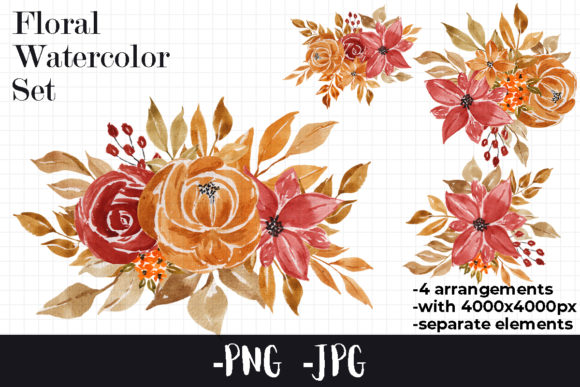
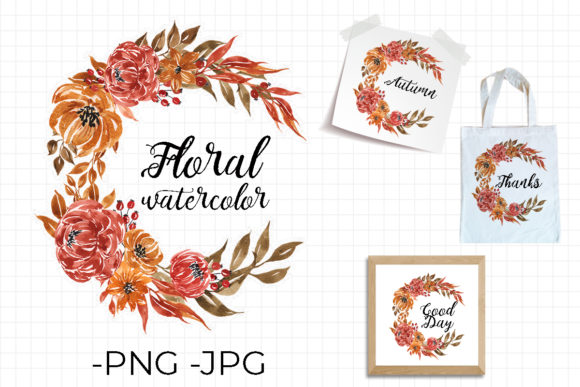
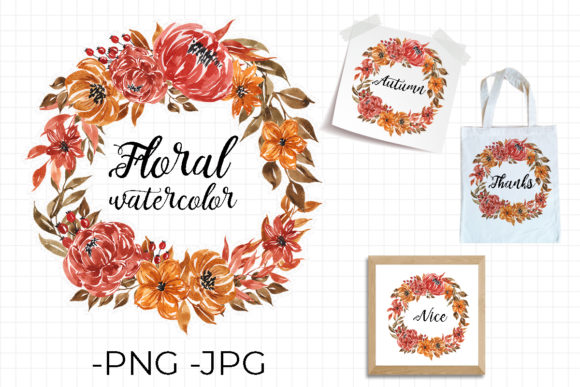
The primary decision factor when choosing a wreath cut file is the visual weight and symbolic association of the design. A Floral Wreath SVG typically features organic, asymmetrical arrangements of leaves, buds, and blooms. These designs are inherently softer and more romantic, making them ideal for wedding stationery, feminine apparel, and nursery decor. The complexity of floral vectors can vary significantly; some are minimalist line art, while others are dense compositions with multiple layers. This density directly impacts weeding time for vinyl users and ink coverage for sublimation printers.
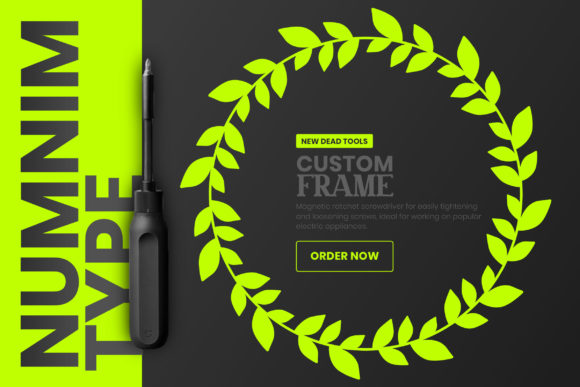
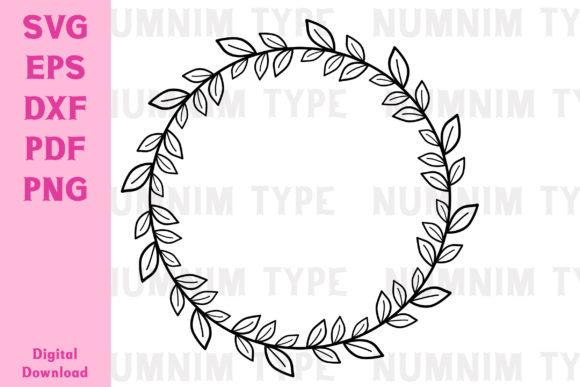
In contrast, a Laurel Wreath Outline offers a structured, symmetrical appearance rooted in classical tradition. Composed of repeating bay leaves arranged in a balanced arc, laurel designs convey achievement, academia, and heritage. From a production standpoint, laurel outlines are often cleaner and less intricate than floral alternatives. The repetitive nature of the leaf pattern means fewer unique nodes and smoother curves, which can result in faster cutting times and easier weeding on adhesive vinyl. For projects requiring a formal or gender-neutral aesthetic, such as graduation announcements or business branding, the laurel outline provides a disciplined frame that does not compete with centered typography.
Technical File Formats and Compatibility
A high-quality digital download for these designs should include a comprehensive ZIP archive containing multiple formats to accommodate various software ecosystems. Evaluating the utility of each file type helps prevent workflow bottlenecks.
- SVG (Scalable Vector Graphics): This is the industry standard for electronic cutting machines like Cricut Design Space and Silhouette Studio Designer Edition. SVG files retain mathematical path data, allowing for infinite resizing without pixelation. Crucially, a well-optimized SVG for wreaths will have grouped layers, enabling users to ungroup and modify individual elements if necessary.
- DXF (Drawing Exchange Format): Essential for users of the free version of Silhouette Studio, which cannot import SVG files. DXF files preserve vector lines but may sometimes lose layer grouping upon import, requiring manual reorganization before cutting.
- EPS (Encapsulated PostScript): The preferred format for professional graphic design software like Adobe Illustrator, CorelDRAW, or Inkscape. EPS files support advanced editing, making them suitable for designers who wish to combine the Floral Wreath SVG with other vector assets or create custom color separations for screen printing.
- PNG (Portable Network Graphics): Provided with a transparent background, this raster format is vital for sublimation, print-on-demand services, and digital mockups. Unlike vectors, PNGs have a fixed resolution. Users must verify that the included PNG is at least 300 DPI at the intended print size to avoid blurriness on apparel or mugs.
- PDF (Portable Document Format): Useful for direct printing on card stock or for use as a tracing template in traditional crafts. PDF maintains vector quality for printing but is generally not compatible with cutting machine software.
Customization Capabilities and Color Management
Most wreath cut files are delivered in solid black. This is a deliberate technical choice rather than a limitation. Black vectors provide the highest contrast against white backgrounds in design software, ensuring that all anchor points and paths are clearly visible during editing. For DIY enthusiasts, this baseline allows for maximum flexibility.
When using vinyl, the "black" designation refers to the cut path, not the material color. The user selects their physical vinyl roll (e.g., sage green, gold, or navy) independently of the digital file. However, for printable applications like stickers or sublimation transfers, color modification is necessary. Because the source files are vector-based (SVG, EPS, DXF), changing the fill or stroke color is non-destructive. Users can match specific brand palettes or seasonal themes without degrading image quality. It is important to note that while the base file is black, complex floral wreaths may require manual recoloring of individual layers to achieve a multi-toned look, whereas single-layer laurel outlines can be recolored instantly with a single click.
Material Suitability and Application Tradeoffs
The choice between a Floral Wreath SVG and a Laurel Wreath Outline should also be guided by the target substrate and application method. Different materials interact with design complexity in unique ways.
Vinyl and Adhesive Applications: Intricate floral wreaths with thin stems or small petals pose challenges on textured surfaces or when using glitter vinyl. The adhesive surface area is reduced in detailed designs, increasing the risk of peeling over time. Laurel outlines, with their broader leaf shapes and continuous flow, generally offer superior adhesion on tumblers, car decals, and textured walls. If a floral design is required for a difficult surface, selecting a bold, simplified variation is advisable over delicate line art.
Apparel and Textiles: For T-shirts and fabric projects, the hand-feel of the design matters. Large, dense floral wreaths created with heat transfer vinyl (HTV) can feel heavy and plastic-like on lightweight fabrics. A Laurel Wreath Outline typically uses less material, resulting in a softer drape and better breathability. Conversely, for sublimation on polyester, the complexity of a floral wreath is an asset, as the ink integrates into the fiber without adding texture, allowing for rich, full-color botanical details that would be impossible to weed in vinyl.
Paper Goods and Card Stock: When cutting wreaths from cardstock for scrapbooking or invitation layers, structural integrity is key. Highly detailed floral SVGs with tiny internal cuts can tear easily during removal from the cutting mat. Laurel outlines usually possess stronger bridges between elements, making them more forgiving for paper crafting beginners or those using older blades.
Making the Right Selection for Your Project
Ultimately, the decision rests on balancing aesthetic preference with practical execution. There is no universally superior option; there is only the option best suited to the specific variables of the current project.
Choose a Floral Wreath SVG when the project demands organic warmth, seasonal relevance, or a feminine touch, and when the chosen material can support fine detail. This style excels in sublimation, high-quality paper goods, and smooth-surface vinyl applications where visual intricacy is the focal point. Be prepared for longer weeding times and potential layer management in your design software.
Opt for a Laurel Wreath Outline when clarity, symmetry, and production efficiency are priorities. This style is the pragmatic choice for bulk production, formal events, masculine or neutral designs, and applications on textured or challenging surfaces. Its streamlined geometry reduces material waste and processing time while providing a timeless framework for monograms and quotes.
Before purchasing or downloading any cut file bundle, verify the node count and layer structure if possible. A well-digitized file, whether floral or laurel, should have smooth curves rather than jagged segments, and logical grouping that facilitates easy color changes and resizing. By evaluating these technical and aesthetic factors objectively, crafters can select resources that enhance their workflow rather than hinder it, ensuring professional results across vinyl, apparel, and paper mediums.