Evaluating Exotic Floral Seamless Patterns for Professional Design Projects
Selecting the right surface design asset is a critical step in product development and digital creation. When researching an Exotic Floral Seamless Pattern, designers and product developers must look beyond aesthetic appeal to evaluate technical specifications, versatility, and long-term utility. This specific category of design assets combines high-detail hand-drawn artistry with vector scalability, offering a distinct set of advantages and considerations compared to raster-based alternatives or automated generative art. Understanding these factors ensures that the selected pattern aligns with both creative vision and production requirements.
Defining the Asset: Hand-Drawn Vector Artistry
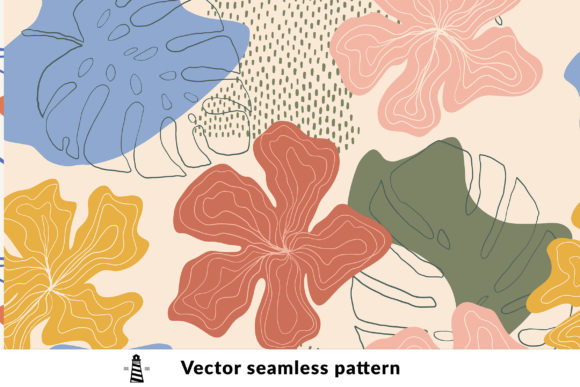
An Exotic Floral Seamless Pattern in this context refers to a repeating design featuring tropical plants and flowers that has been meticulously created by hand rather than generated algorithmically. The defining characteristic of this specific asset is its format: it is 100% vector art. Unlike pixel-based images where detail is fixed at a specific resolution, vector artwork utilizes mathematical paths to define shapes, lines, and colors. This distinction is fundamental for professional evaluation.
The inclusion of tropical flora implies a specific visual language characterized by organic curves, lush foliage, and vibrant botanical elements. Because the artwork is hand-drawn, it retains the nuances of human illustration—variable line weights, natural imperfections, and artistic flow—that often lack in stock photography or AI-generated textures. The seamless nature of the pattern means the motif repeats perfectly across horizontal and vertical axes without visible breaks, making it suitable for continuous surface application.
Technical Specifications and Production Readiness
When evaluating this asset for commercial or personal use, the technical deliverables are as important as the visual style. This package includes three distinct file types, each serving a specific function in the design workflow:
- EPS File: Encapsulated PostScript is the industry standard for vector exchange. It ensures compatibility across various design software platforms beyond Adobe Illustrator, making it accessible for print shops and manufacturers using different RIP software.
- AI Vector File: The native Adobe Illustrator file preserves editable layers, swatches, and anchor points. This allows for deep customization, such as recoloring specific botanical elements or adjusting the scale of individual flowers without quality loss.
- JPG Image (83 x 55 inches at 300 DPI): While the vector files offer infinite scalability, the included high-resolution JPG serves as an immediate preview and a ready-to-use raster option. At 300 DPI, this image supports large-format printing up to the specified dimensions without pixelation, bridging the gap between vector editing and direct digital application.
The 83 x 55-inch dimension is significant. It exceeds standard desktop printer sizes, indicating suitability for textile bolts, wallpaper rolls, and large signage. For buyers comparing options, verifying that the resolution meets the physical output size is a mandatory due diligence step to avoid costly reprinting errors.
Strategic Benefits for Specific Applications
The primary value proposition of a hand-drawn vector Exotic Floral Seamless Pattern lies in its adaptability. Vector art allows for non-destructive editing, which is essential for several key industries:
Textile and Fashion Design
In fabric manufacturing, colorways frequently change based on seasonal trends. A vector file allows designers to create dozens of color variations from a single master file in minutes. Furthermore, textiles require precise repeat sizing; vectors can be scaled to match specific fabric widths or garment panels without interpolation artifacts that plague raster images.
Wallpaper and Interior Surfaces
Interior environments vary drastically in scale. A pattern intended for a residential accent wall may need to be larger or smaller than one used in a commercial lobby. The infinite scalability of vector art ensures that the intricate details of the tropical plants remain crisp whether printed at 50% or 200% of the original size. The hand-drawn quality also adds a bespoke, artisanal feel that distinguishes custom interiors from mass-market decor.
Packaging and Stationery
For greeting cards, gift papers, and invitations, the 300 DPI JPG provides immediate usability for digital proofs and standard offset printing. However, having the underlying vector source future-proofs the asset. If a brand decides to expand from greeting cards to shopping bags or box wraps later, the same asset can be adapted without repurchasing or redrawing.
Tradeoffs and Considerations
While high-detailed vector patterns offer superior flexibility, they present specific tradeoffs that buyers must weigh against their project needs.
File Complexity and Performance: High-detail hand-drawn vectors contain thousands of anchor points. Opening and manipulating these files requires robust hardware and modern software versions. Users working on older machines or lightweight tablets may experience lag when editing complex tropical foliage. In contrast, a simple raster JPEG loads instantly but lacks editability.
Learning Curve: Maximizing the value of EPS and AI files requires proficiency in vector editing software. Buyers who only possess basic photo editing skills may find themselves limited to using the provided JPG, thereby negating the primary benefit of purchasing a vector asset. Evaluating team skill sets is crucial before acquisition.
Aesthetic Specificity: Hand-drawn art carries a distinct stylistic signature. Unlike generic geometric patterns, an exotic floral illustration has a specific artistic voice. This makes it highly unique but potentially less neutral. It is vital to ensure the drawing style aligns with existing brand guidelines, as blending hand-drawn vectors with minimalist corporate typography can sometimes create visual dissonance.
Situational Fit: When to Choose vs. When to Look Elsewhere
Determining whether this Exotic Floral Seamless Pattern is the correct investment depends on the project's scope and longevity.
Strong Fit Scenarios
- Multi-Platform Branding: When the pattern must appear consistently across web backgrounds, physical packaging, and large-scale environmental graphics.
- Custom Manufacturing: When working with textile mills or wallpaper printers that require specific file formats or color separations.
- Long-Term Asset Libraries: When building a proprietary design library where assets need to be recolored and resized for years to come.
- High-Resolution Print: When the final output demands crisp edges at large physical dimensions, exceeding standard screen resolutions.
Alternative Considerations
- Web-Only Backgrounds: If the pattern is strictly for a website header and will never be printed, a lightweight SVG or optimized PNG may be more performant than a heavy AI/EPS file.
- Photorealistic Requirements: If the goal is botanical accuracy rather than artistic interpretation, high-resolution photography or 3D renders may be more appropriate than hand-drawn vector art.
- One-Time Low-Budget Use: For a single social media post or temporary flyer, the advanced features of vector art may be unnecessary overhead. A standard raster license could suffice.
- Automated/Generative Needs: If the project requires hundreds of unique variations generated programmatically, hand-drawn assets may be too labor-intensive to modify compared to parametric design tools.
Making the Final Decision
Evaluating an Exotic Floral Seamless Pattern requires balancing immediate visual satisfaction with long-term technical viability. The combination of hand-drawn aesthetics and vector functionality positions this asset type as a premium solution for serious design work. Buyers should verify their software capabilities, confirm the 83 x 55 inch dimensions meet their largest anticipated output, and assess whether the artistic style complements their broader visual identity.
Ultimately, the decision rests on the need for editability. If the project demands the freedom to scale, recolor, and adapt a tropical botanical motif across diverse media without compromising quality, this vector-based solution offers tangible practical benefits. Conversely, if the usage is static and singular, simpler alternatives may provide better efficiency. Careful assessment of these factors ensures the selected pattern serves as a functional tool rather than merely a decorative element. For specific technical inquiries regarding file compatibility or licensing for unique use cases, direct communication with the creator is always recommended to clarify expectations before purchase.